
Visible performance, precise control
Building Management Systems (BMS)
Integrated monitoring and control for lighting, heating, ventilation, energy and plant across commercial and complex residential buildings.
Discuss this service ↗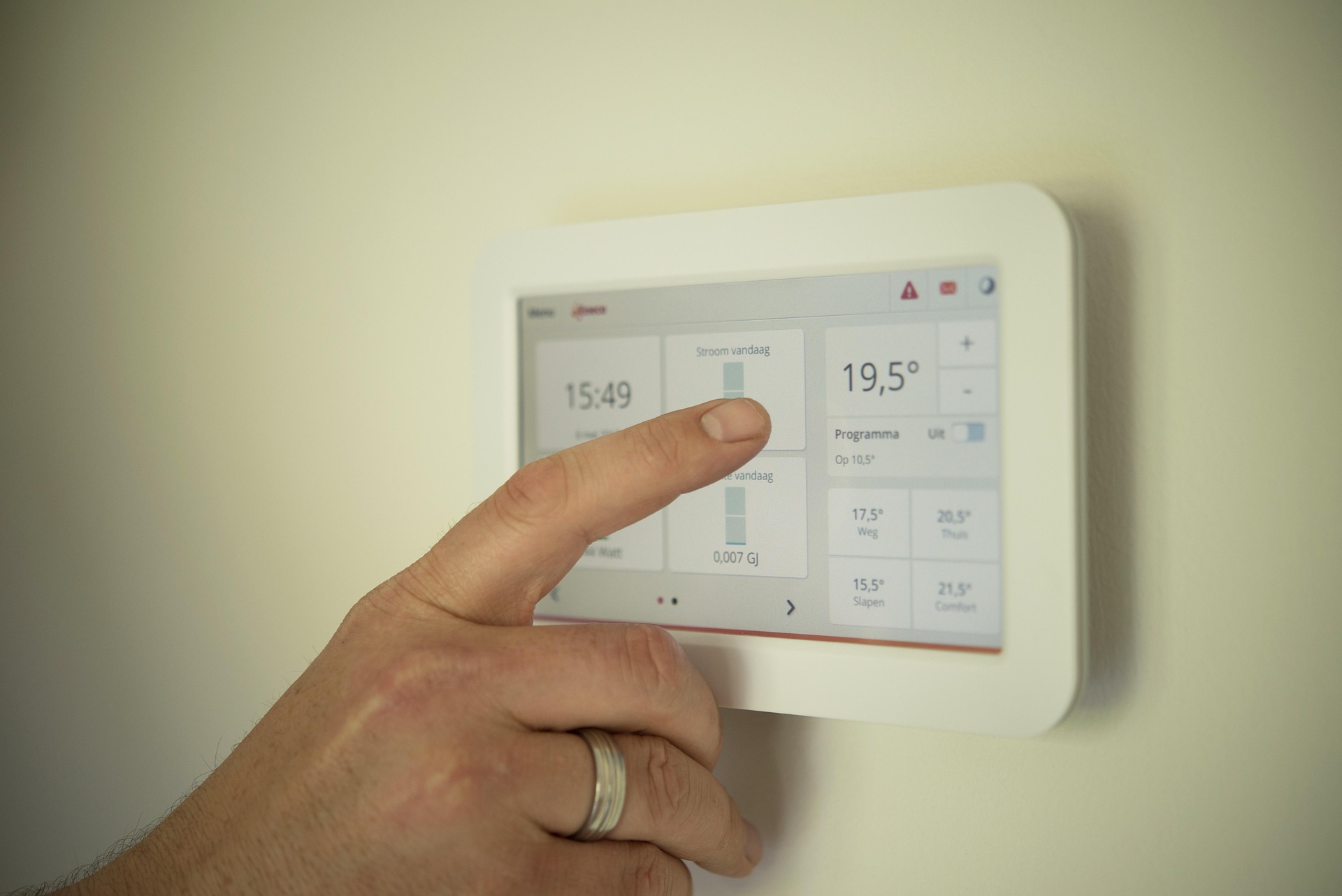
What good looks like
A system that performs as well as the space looks.
A BMS brings critical building functions into a coordinated control layer. We focus on practical interfaces, clear alarms and useful data so facilities teams can improve comfort, reduce waste and spot issues early.
- A clear view of plant and building performance
- Better scheduling and energy-aware operation
- Structured alarms, trends and maintenance information
Best suited to: Offices, mixed-use developments, managed estates, leisure spaces and technically complex homes with multiple controlled systems.
Typical scope
What can be included
Every project is scoped around the building, design and delivery stage.
- 01Control strategy and points scheduling
- 02HVAC, lighting and plant interfaces
- 03Sensors, meters and field devices
- 04Dashboards, alarms and trend data
- 05Commissioning and seasonal refinement
- 06Operator training and documentation
How we deliver
Four stages. One accountable team.
Define operational goals and connected systems
Develop the control philosophy and points list
Install, integrate and verify field devices
Commission, trend and train the operating team
Service questions
Useful answers before we scope the work.
What can a BMS control?
Common connections include heating, ventilation, cooling, lighting, meters, pumps and selected alarms. The final scope depends on the building and plant design.
Can a BMS help reduce energy use?
It can support better schedules, setpoints and visibility. Savings depend on the building, plant condition and how the information is acted upon.
Do you provide operator training?
Yes. Handover can include role-appropriate training, system records and clear escalation routes for ongoing support.
Start a project
Planning building management systems?
Bring us the brief, drawings or simply the problem. We’ll help define the next useful step.